



CORRUPTION PREVENTION MANUAL (2)
Share on Social Networks
Share Link
Use permanent link to share in social mediaShare with a friend
Please login to send this document by email!
Embed in your website
51. 51
32. 32 | P a g e Head of Unit Monitoring Officer Monitoring Officer This Unit is managed by a Head who reports to the Director and whose main purpose is to provide leadership in the monitoring and compliance activities in MDAs and other public bodies. When once agreement has been reached with the client organization on the corruption prevention measures recommended, this Unit will monitor its speedy implementation. This is usually preceded by a structured monitoring plan which is developed and approved by the Director. Reports of such monitoring will be prepared in time and presented to the Commissioner or Deputy Commissioner through the Director. Any unreasonable disagreement over the recommendation or undue delay in their implementation will be stated in the report for appropriate action. The Monitoring and Compliance Unit oversees the implementation of M&C strategies and policies approved by the Director of Corruption Prevention. It is also responsible for the development of processes that identify, measure, monitor and report suspicious cases of any M&C breaches; sets appropriate internal monitoring & compliance policies, and evaluates the effectiveness of the monitoring & compliance system. The overall objective of this Unit is to assess compliance of MDAs in the implementation of systems review recommendations, through the measurement of compliance levels. Being an enforcement wing within the Prevention Department, the M&C Unit also enforces the compliance of other statutory instruments like the National Public Procurement Authority Act, the Finance Act and other operational policies and regulations during the course of its duties. The Unit is empowered by section (8) of Anti-Corruption Act 2008 as amended to cover compliance issues of MDA activities and retains unrestricted access at any time to all information, records, personnel, property and operations of MDAs in Sierra Leone.
4. 4 | P a g e Acronym ACC- Anti-Corruption Commission CPM- Corruption Prevention Manual MDA- Ministries Departments and Agencies
24. 24 | P a g e 4. Files sent to the Intelligence, Investigations and Prosecutions Department through the Report Centre when a corrupt practice is discovered in the systems examination. Files recommended for closure are sent to the Director for the attention of the Deputy Commissioner. Once approved, the files are sent to the Intelligence, Investigations and Prosecutions Department for the archives. Systems and Processes Review exercises will be undertaken once an approval has been received from the Commissioner or Deputy Commissioner through the Director. The System Analyst submits a proposed plan of action to the Head of the Unit to be amended and subsequently forwarded to the Director for attention and approval. Once the plan of action is confirmed, the System Analyst and team shall proceed with the assignment as follows: For corruption prevention exercise which involves complaints received from the Report Centre, recommendations arising out of an investigation, a letter of notification is drafted for the Director by the team leader stating a date for an interview and where necessary request for documents and any other information required. The Officer and his team will then proceed with the work plan and where necessary the recording of statement and seizure of documents to understand the pattern of behaviour under study, consulting at every stage with the Head of Unit, supported by evidence until the assignment is concluded. The draft report containing recommendations for remedial action is presented to the Director for his/her consideration which afterwards is submitted to the Commissioner or Deputy Commissioner for final approval. The final approved report is then presented to both parties i.e complainant and accuse. Where a corrupt practice is discovered in the course of the study, the Head of Unit will ensure that it is promptly reported to the Director in a memorandum requesting an investigation. For corruption prevention exercises involving proactive intervention, the team leader and his team shall: a. Hold an inception meeting with Senior Management of the Client Organization to determine the scope of the study and arrange for a
27. 27 | P a g e Upon approval of the report of a study the Lead Officer shall with other senior officers seek approval from the Director through the Head of Unit for a presentation of the report. A meeting/seminar/workshop is then organized in collaboration with clients for the validation of the report, incorporating inputs of stakeholders though their management response, from which a best practice guide, is developed. During the course of the meeting, other stakeholders who have stake in the report will be invited to the meeting so that they can raise comments or make input in their areas. Once agreement has been reached with the client organization on the corruption prevention measures recommended in the report, the Monitoring and Compliance Unit shall monitor its speedy implementation. During the course of the review, the following areas will be looked into to assess transparency and accountability in the institution. The Unit will examine generic and specific issues Generic issues include:- Financial management, procurement management, Human Resources and Admin management, stores, internal auditing, Fleet and fuel management Specific issues include:- core functions of the institution 8.0 POLICY AND ETHICS UNIT 8. .1 HEIRACHY IN THE POLCY UNIT Head of Unit Senior Policy and Ethics Officer Policy and Ethics Officer
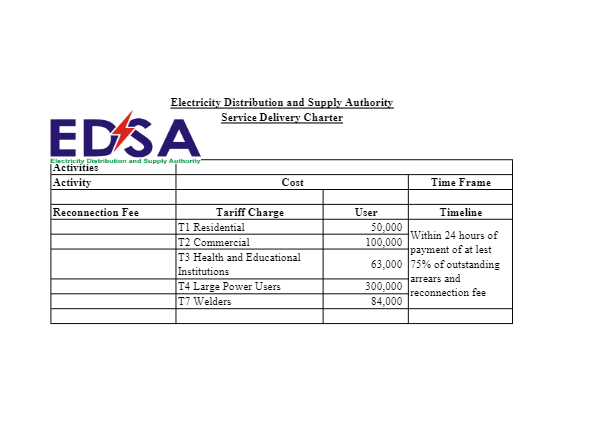
28. 28 | P a g e This Unit undertakes the following major type of intervention: 8.1 .2 Review of Legislation This Unit examines policies to ascertain their relevance or adaptability to the present situation or whether they have inherent corruption prevention mechanisms. The strategy employed mostly involves discussion on proposed legislations, scrutinizing draft legislations and making verbal and written submissions on issues to be covered by the legislation which directly or indirectly concerns corruption prevention. Review of legislation as stated above shall take the form of discussions and consultations on draft legislation and regulations as well as proposed legislation on issues concerning corrupt practices. Corruption prevention exercises of this type involving considerable discussion, compromise and verbal submissions are likely to be more numerous than written submissions. Such submissions must only be made with the full knowledge and support of the Director and he is regularly informed of progress by means of internal minutes regarding verbal submissions and through reports. The report will take the form of written submissions for forwarding to the appropriate parties through similar channels described above to the Commissioner or his Deputy, as well as the Client institution for further action. This type of exercise will be concluded whether by the enactment of legislation or shelving of plans for its enactment and at this stage a final report is submitted to the Director through the appropriate channels. The Unit also drafts codes of conduct and advice public bodies as to the adoption of such code of conduct as may be suited to such bodies. 8.1 .3 Development of Service Charter Service charters are developed for citizens to know the services and associated cost rendered by institutions, The Unit collaborates with client institutions to develop this charters. These charters are displayed at strategic locations where citizen can easily access this information.
33. 33 | P a g e 9. 1 PROCEDURES IN CONDUCTING MONITORING ACTIVITES It is at the end of this process that the provisions in the Anti-Corruption Act 2008 as amended can be enforced and the next section of this handbook will look at ways and means through which this can be done, taking into account the reality that the intention is not just to sanction non-compliant MDAs or MDA officials, but to put in place a system whereby compliance with the review recommendations (agreed upon by the MDAs in partnership with the ACC) increases to a level that the ACC will be satisfied that enough strides are being taken within the MDAs towards progress on the compliance front. 9. 2 COMPLIANCE LEVELS AND THE ENFORCEMENT OF SANCTIONS For so many years, the ACC has been grappling with the challenge of enforcing full compliance to the implementation of its systems review recommendations despite the provisions enshrined in Section 8 of the Anti- Corruption Act 2008 as amended. This chapter will provide a practical step
1. ANTI-CORRUPTION COMMISSION PREVENTION DEPARTMENT CORRUPTION PREVENTION MANUAL RASHID TURAY 11/1/2024
41. 41 | P a g e MDAs should be done after 24 months from the date of the previous review. This is to identify changes as a result of the review. 7.4.4 Calculating Compliance Scores of MDAs Formula: Compliance Score (CS) = Total Number of Full Compliance Recommendations /Total Number of the Recommendations X Highest Possible Compliance Score Example: Let X= Total Number of Fully Compliant Recommendations = 28 Y= Total Number of Recommendations = 32 Z= Highest Possible Compliance Score = 100 Therefore: CS = (X/Y) x Z CS = (28/32) x 100 = 88% (Significant Compliance)(Further Engagement) 9.2.3 Impact Evaluation of Systems and Processes Review Recommendations Systems and processes review is a programmatic intervention in MDAs primarily to prevent corruption or minimize the occurrence of corruption and corrupt practices, and with the monitoring of SPRRs focusing on outputs (immediate results), the Prevention Department has not been able to carry out an evaluation of systems and processes review impact on corruption reduction (long term results). An impact assessment that will tell us the situation of corruption in the next 24 months after a systems and processes review has been conducted needs to be done on every reviewed MDA. This process will reveal changes either positive or negative in corruption trends whether perceived or actual. The evaluation can either be outsourced to a research/evaluation firm or carried out by the M&C Unit. The undermentioned players in the table below are very crucial in this process.
23. 23 | P a g e 2. Corruption Risks Assessment This type tool is structured process to identify, evaluate and mitigate risk related to corruption. It focuses in corruption related risk. In key areas such as procurement, finance, Human Resources e.t.c. This Unit maintains four major types of files: 1. Files received from the Report Centre emanating from complaints made by the public. 2. Files received from the Intelligence, Investigations and Prosecutions Department 3. Files initiated by the Prevention Department.
25. 25 | P a g e senior member of the client organization to be appointed to assist and liaise with the Officers conducting the exercise.(Focal person) The preliminary meeting may be followed by other meetings at various levels. b. Conduct a desk review of the MDA through the internet. He looks out for similar researches, reports, opinions or exercises conducted in similar institutions. c. Conduct a thorough background research and interview key officers. d. Study the legislation and subsidiary regulations which may have been amended. e. Determine whether administrative rules exist, if not, it may be necessary to recommend that rules should be devised. It is normal for the client body to issue administrative instructions, directives or standing orders, sometimes embodied in the form of a manual of procedures to supplement the legislation and regulations. Such administrative rules are issued by the Management of a client body to control, guide and direct its staff in the effective performance of its functions. f. Examine financial documents and systematically analyze these documents to identify corruption opportunities. g. The System Analyst should always attempt to see procedures in actual operation. The exercise will also concentrate on the degree of supervision by Systems and Processes Review Officers. He should always attempt to see procedures followed by senior staff of the client organization over their subordinates; the decision making processes and the level at which decisions are taken. Ineffective or non-existent supervision or too much discretion in decision making offers potential for corruption and instances of such defects are identified during the study. h. Report Writing is an essential aspect of every assignment undertaken by the Systems and Processes Review Unit. It is important that officers carry with them Note Books to record their observations/findings when on assignment. The report shall be prepared in time based on the following format:
6. 6 | P a g e The prevention Manual has been designed to give guidance and to help Officers to act in accordance with the best practices of the Anti-Corruption Commission (ACC) in order to achieve its Mission and Vision. The Corruption Prevention Manual (CPM) will be updated and improved upon from time to time, and should be considered as a living document in addressing corruption in Ministries, Departments and Agencies (MDAs). 3. 0 MANDATE OF CORRUPTION PREVENTION DIRECTORATE With reference to Section 7 (1) (a) of the Anti-Corruption Act 2008, it is the mandate of the Prevention Department to take all steps as may be necessary for the prevention, eradication or suppression of corruption in MDAs and other public bodies including instructing any person or authority on ways in which corrupt practices can be reduced or eliminated. The Corruption Prevention Department examines the practices and procedures of public and private bodies in order to facilitate the discovery of corrupt practices or acts of corruption and to secure revision of those practices and procedures which in the opinion of the Commission may lead to or be conducive to corruption or corrupt practices; ➢ The department advises and assists any persons, authority, public body or private sector institution on changes in practices or procedures compatible with the effective discharge of the duties of such persons, authorities, public bodies or private sector institutions that the Commission thinks necessary to reduce the likelihood of the occurrence of corrupt practices. ➢ The department issues instructions to public bodies of changes in practices or procedures which are necessary to reduce or eliminate the occurrence of corrupt practices; ➢ The department monitors, in such manner as it considers appropriate, the implementation of any contract awarded by a public body, with a view to ensuring that no irregularity or impropriety is involved therein.
43. 43 | P a g e To ensure that the compliance program is properly implemented, relevant employees should receive training on the compliance management process and sanction enforcement procedures discussed in this handbook at regular intervals of no more than a year. For all employees it would be advisable to make sure that this training forms part of their induction exercise. Also training that is relevant to improve compliance shall from time to time be provided by the ACC, for example, on records management, financial management, stores management, procurement and so on. iii. Decision Making and the Enforcement of Sanction Procedures The enforcement of sanctions shall be guided by the MDAs Compliance Barometer and its application procedures discussed in 4.3 below. 10. 0 COMPLIANCE MANAGEMENT TOOLS (CMTs) 10.1 The Compliance Results Plan Matrix (CRPM ) MDAs ’ Compliance Results Plan Matrix forms the basis of compliance monitoring in MDAs. It contains all the recommendations agreed upon by the S&PR Unit and the MDAs, and also includes timelines/deadlines and activity owners, progress indicator, targets, compliance risk/assumptions and means of compliance verification. The development of this tool should be a collaborative and participatory process that includes the MDAs, SPR/Policy and Ethics Unit and M&C Unit. This can be developed ideally immediately after the validation of the systems review report. This will ensure that CRP is part of the final review report that is presented to the MDAs for implementation. It is crucial to note that MDAs participation in setting the recommendations, targets, compliance risks and timelines etc. account for ownership of the process as well as being an acknowledgement of their responsibilities. As long as the process is skillfully facilitated, participatory techniques can be used to define measurable progress indicators, and the extent to which progress shall be realized in a particular period of time. Although the Commission would be interested in a 100% compliance rating, some target of progress has to be set firmly by the M&C
5. 5 | P a g e 1. 0 IMPORTANCE OF CORRUPTION PREVENTION Corruption is one of the major obstacles to achieving progress and development in the communities in particular and in the country in general. Hence, understanding the phenomenon of corruption, types, and measurement parameters and the negative consequences of corruption in various aspects of the political, administrative, social, and economic fields may help us to strategize in the fight against corruption. There is a strong international consensus that corruption cannot be tackled with repressive actions alone and a great variety of measures are needed to eradicate conditions that lead to its occurrence. Hence the prevention of corruption along with criminalization and law enforcement, are key tools to fight corruption. Currently the elements of corruption prevention and awareness-raising have been firmly established as international standards. Many international development agencies have put in place corruption prevention policies tailored to development programmes. They have done so because they believe that the prevention of corruption merits strategic attention and that analysis of corruption risks, sharing of information, open discussion and coordinated action are the best ways of implementing their agencies ’ zero-tolerance policies on corruption. An example of this is the inclusion of a Grievance Redress Mechanism (GRM) in the Social Safety Net (SSN) programme that is implemented by the National Commission for Social Action (NaCSA) and the GRM that has also be included the Ministry of Higher and Tertiary Education (MHTE) school projects this is sponsored by the World Bank. 2. 0 WHY CORRUPTION PREVENTION MANUAL? This manual can be a comprehensive menu that can serve as a good practice tool that can help Officers of the Prevention Department. It can also help new employees of the department to understand the dynamics of the department. The Prevention Manual can moreover serve as a guidance note during the cause of the execution of staff ’ s duties.
7. 7 | P a g e ➢ It drafts model codes of conduct and advice public bodies as to the adoption of such code of conduct as may be suited to such bodies; ➢ It monitors current legislative and administrative practices in the fight against corruption and advises Government on the adoption and ratification of international instruments relating to corruption; ➢ The department advises Government on such legislative reform as it considers necessary to foster the elimination of acts of corruption; 4. 0 INTERVENTIONS TO EXECUTE THE MANDATE OF THE DEPARTMENT There are two kinds of interventions to carry out the mandate of the department. These are: PRO-ACTIIVE INTERVENTION REACTIVE INTERVENTION PRO-ACTIVE INTERVENTION Officers of the various Units of the department would usually undertake corruption prevention initiatives in both public and private institutions emanating from news paper publications, intelligence gathered for the Intelligence Unit, public perception surveys on corruption, views on corruption gathered from the public by the Public Education and External Outreach and so on. Pro active interventions often fall outside of the annual work schedule/plan of the department. Interventions are usually geared towards stemming the surge of corruption during a particular period of the year for example during the Christmas peak season the ports or when certain activities are undertaken for example during public examinations. A team is usually put together from the various Units of the department who will take steps and work on the intervention for a period of about three months. A comprehensive report is proposed which usually informs an investigation by the Investigations department.
22. 22 | P a g e ➢ During interviews with clients, Officers must ensure that such interviews are conducted with a smart businesslike attitude. Officers must know what they are doing for any hint or incompetence or uncertainty will destroy credibility. 8. 0 OPERATIONAL PROCEDURES FOR THE VARIOUS UNITS 8.1 SYSTEMS AND PROCESSES REVIEW UNIT This Unit is managed by a Head whose main purpose is to provide professional input towards the development and/or review of systems and processes with MDAs and/or other public bodies in ensuring best practices in their operations. HEIRACHY OF UNIT Head of Unit System Analyst System Processor 8.1.1 CORRUPTION PREVENTION TOOLS 1 Systems Review - Holistic Review : This is when an entire MDA is completely reviewed taking into considerations all aspects of its internal operations. Eg The review of systems and processes of the Sierra Leone Cable Network SALCAB. - Thematic Review. This type of review is carried out when a certain aspect of the operations of the MDA is reviewed leaving out the rest. Budget allocation and utilization in 5 Local Councils for the period 2017 to date.
50. 50 | P a g e 1 Executive Summary Summarises the activities undertaken during the reporting period, highlighting compliance scores and changes from expected results and decisions that 2 Current MDAs Compliance Status • Presents compliance table in tool 5 or tool 6 depending on the number of MDAs being reported on. • 3 Challenges / Lessons Learnt • Describe any major impediments to the implementation and what was done or will be done to resolve these issues. • Discusses lessons learned during the period under review. • 4 Recommendatio ns for Actions Based on the findings suggests impactful actions guided by the Compliance Barometer 11.0 RELATIONSHIP WITH OTHER DEPARTMENTS The department works in collaboration with other department in carrying out its activities. For instance, the department usually joins the Public Education Department to publize and sensitize the public on the work of the department. In conducting systems reviews, the department also uses the National Anti-Corruption Strategy (NACS) as a source document for reviews. In the NACS documents there are action plans for each MDAwhich the department can use to conduct a walk-through test for implementation. If there are areas of non-implementation of actions, then they can be taken onboard during the review process. As earlier mentioned, the department also receives investigation files from the investigations department to review for possible systemic lapses which can be addressed with the client institution.
34. 34 | P a g e by step guide to develop a compliance management system that will enhance full compliance and also create a due diligence approach for the establishment of a threshold for the enforcement of the aforementioned provisions for non-compliance. 9. 2 .1 Compliance Management System – Conditions and Requirements i. Availability of the Legal Provisions There are clear provisions in the Section 8 of the Anti-Corruption Act 2008 as amended which compel MDAs to implement ACC recommendations not later than three (3) months after a systems and processes or policy review has been conducted in that MDA. There are also punitive actions to be invoked for failure to comply with the instructions of the Commission. With the application of this handbook, the said provisions can now be implemented having exhausted all compliance enhancement procedures as discussed below. ii. Commitment of Compliance Delivery Champions - MDAs The Management Team of MDAs that comprise of the political head, Permanent Secretary and Directors are responsible for the implementation and coordination of activities generated within and outside the MDAs. The implementation of systems and processes review recommendations (SPRRs) should be championed by the Management Team of MDAs by fully mainstreaming ACC ’ s recommendations into their day to day operations. In order to ensure full compliance, it is hoped that the following will be done: • The full participation of members of the Management Team will be required in the development of a Compliance Result Plan Matrix. This is to ensure ownership of decisions and to set practical timelines. It is meant to ensure that the necessary resources are allocated to the MDA in order to implement SPRRs. • Strengthen Integrity Management Committees (IMC) to coordinate the implementation of SPRRs and report to the ACC on a quarterly basis. • Incorporate ACC recommendations into their quarterly or annual budget and work plans.
29. 29 | P a g e 8.1 .4 Formulation and adoption of policy Policy formulation means coming up with an approach to solving a problem. MDAs, the executive branch, the courts, and interest groups may be involved. Contradictory proposals are often made. Policy formulation has a tangible outcome. 8.1 .5 Implementation The implementation or carrying out of policy is most often accomplished by institutions other than those that formulated and adopted them. A statute usually provides just a broad outline of a policy. For example, the ACC may develop a policy at the Ministry of water resources for improved water quality standards, but the institution or the Environmental Protection Agency (EPA) provides the details on those standards and the procedures for measuring compliance through regulations 8.2.6 Process for Policy Review The Policy Owner is responsible for conducting a comprehensive review of their policies at a minimum of every 5 years or as required to stay current with applicable laws or other Policies. Inception meeting is the very first step towards policy review. This is where the policy drafters and the respective institution discuss the efficacy of the policy and the purpose of the review. The purpose of the review is to determine: 8.2.7 Policy Initiation or Revision i. Is a policy required or is the issue better resolved through other means such as improved communication, and educational campaign, or a memorandum? ii. Are the resources, knowledge and expertise available to develop a policy on this issue? iii. Is there an existing policy with the same or similar intent?
20. 20 | P a g e 7. 0 ETHICAL BEHAVIOUR IN THE DEPARTMENT It is imperative that the Prevention Officers should declare private interest on matters related to their duties to the Director and take steps to address such conflict of interest. Any offer of an advantage to officers by clients in the course of their study must be immediately reported to the Director who will take steps to inform the Commissioner for necessary action. Witnesses should be identified, the written record made immediately, retaining the original and a report made to the Commissioner. The Officer ’ s Supervisor should be informed (unless he is a party to the illicit offer). The Officer will be advised by Investigators of the Commission of the exact action to be taken by him. He must obey those instructions. 1 An Officer should also: ➢ Try to avoid being alone in private with any person who may benefit from the Officer ’ s decision/recommendation/action. ➢ State quite clearly that he will take law enforcement action against any person offering a bribe. ➢ Establish a reputation for honesty and fairness. Officers in this Department should not place themselves under financial or material obligation that might influence them in the performance of their duties. ➢ In carrying out public transactions, choices should be made on merit and not on personal interest. ➢ It is imperative that Officers in this Department should be persons of sound intellectual and reasoning ability since their work involves people of diverse background. 1 Kindly refer to the Code of Conduct for Officers of the ACC.
8. 8 | P a g e REACTIVE INTERVENTION Reactive intervention involves mainly complaints received from the Report Centre, recommendations arising out of an investigation and requests made by client institutions. Complaints, requests and recommendations for corruption prevention are minuted through the appropriate channels to the Prevention Department for action. The Director, then minutes the report to the Deputy Director who will facilitate the imputing of those reports into the database developed by the Department. 5. 0 STRUCTURE AND PROCEDURES ORGANIZATIONAL STRUCTURE OF THE DIRECTORATE The Department is headed by a Director who reports to the Commissioner and has three Units managed by Heads. 1. The Systems and Processes Review Unit 2. Policy and Ethics Unit 3. Monitoring and Compliance Unit Director Head of Systems and Processes Unit Systems Analyst Systems Processor Head of Policy and Ethics Unit Senior Policy and Ethnics Officer Policy and Ethics Officer Head of Monitoring and Compliance Unit Senior Monitoring Compliance Officer Monitoring and Compliance Officer Deputy Director
30. 30 | P a g e iv. Has the requisite approving authority been identified? v. Is the approving authority and designated executive officer aware of the intention to develop or revise this policy? vi. Have policies from similar institutions been examined for comparison? vii.Have plans been made on how the policy will be implemented and who is responsible for implementing? viii. Have plans been made on how the policy will be communicated to the MDA and any applicable external organizations? 8.2.8 Reviewing Draft Policy i. Is the purpose of the policy clearly established in the document? ii. Is the policy written in a manner that can be understood by a wide audience? iii. Have related MDA policies and procedures and other governing documents (e.g., Strategic Plan) been reviewed to ensure the draft policy aligns with existing documents? iv. If there are policies that are inter-related, are appropriate references included to related policies and is it clear when each policy will apply?v. Does the policy accurately reflect current practice? vi. Has applicable legislation been identified and reviewed to ensure that the draft policy is in accordance? vii. Are key terms in the policy adequately defined? viii. Is the use of terminology consistent in the draft policy and across related policies? ix. Is it clear to whom and what the policy applies? x. Does the document employ gender neutral and inclusive language?
31. 31 | P a g e xi. Does the language used in the draft policy follow the MDA Guide? xii. Have all the procedures been separated from the policy? xiii. Have all references in the draft policy been verified to ensure accuracy and currency? xiv. Does the draft policy employ the standardized MDA Policy ? 8.2.9 Consultations i. Have experts in the subject area been consulted? ii. Have all stakeholders and departments/Units been identified who may be impacted by the terms of the draft policy? iii. Have stakeholders been consulted and had an opportunity to provide input and feedback on the draft policy? iv. Have proposed major practice changes been discussed with stakeholders and affected administrative departments and units so that they are aware of the implications of any potential change? v. Has consultation occurred with: Responsible executive officer and Board of the MDA? 8.2.10 Policy Approval i. Has the designated executive officer and requisite approving authority approved any proposed revisions to existing policies or the new policy using the MDA Approval protocols? 8.2.11 Rescinding a Policy i. If an existing policy is no longer relevant, recommend that the policy be rescinded by contacting the responsible executive officer or the MDA Board. 9. 0 MONITORING AND COMPLIANCE UNIT HEIRACHY IN THE UNIT
38. 38 | P a g e ii. Forging Strategic Alliance with the NACS National Steering Committee and Chief Minister The NACS Steering Committee that sits in the Office of the Vice President performs a supervisory role over MDAs in the fight against corruption. Instructions from the National Steering Committee to the MDAs on compliance commitments on the implementation of ACC ’ s SPRRs may create a positive impact. iii. SPRRs in the Performance Contracts with Political Heads of MDAs Similarly, integrating the ACC ’ s SPRRs in the performance contracts as managed by the Office of the Chief Minister and signed with MDAs will also have a positive impact. This can be achieved through the following: • Invitation of NACS Steering Committee to the presentation of every final systems and processes review report for a commitment statement. • ACC submits a finalized M&C report to the NACS Steering Committee and drawing attention to areas of low compliance in each MDA. • ACC submits finalized systems and processes report to Chief Minister (CM) and engage the CM on integrating SPRRs into the MDAs performance management contracts – SPRRs thus becoming an integral part of performance contracts signed on to by Ministers of Government. iv. Sharing of Compliance Risk with Appropriate Stakeholders for Action The most common risks identified in 3.1.v above contribute immensely to limiting compliance and implementing SPRRs. Risks associated with the operational mandate of each stakeholder must be communicated to the same for action if financial, HR/staff, structural, and political change obstacles are to be surmounted. 9 .2.2 Compliance Result Monitoring Systems The following tools/steps are recommended to usher in an increase in compliance levels:
21. 21 | P a g e ➢ Officers should carry out their duties with honesty, sobriety and temperance, and uphold the highest ethical standards to ensure public confidence and trust. ➢ Officers are not permitted to undertake outside work for which they are paid either on a full time or on a part-time basis within normal office hours. Any Officer wishing to take up a part-time job should apply in writing to the Director through the appropriate Heads of Unit. ➢ Officers are entitled to study leave with pay/ without pay but proper channels of application and protocols must be followed as outlined in the code of conduct for staff of the ACC. ➢ Officers are responsible for the security of documents in their possession and for ensuring that such documents are not accessible to unauthorized persons. ➢ All Officers should be properly dressed when on an official assignment. 2 ➢ Officers are obliged in the performance of their duties not to behave in such a way as to bring the Commission to ridicule or cause embarrassment to a colleague with whom an exercise is being conducted. ➢ For the purpose of enforcing section 66 of the Anti-Corruption Act 2008, as amended, Officers must at all times carry on person Warrant Cards which shall be used to execute an arrest or demand information or document. ➢ In the event of any hostility, opposition or hazard being encountered during the corruption prevention exercise, the Director must be informed at once. 2 See policy on Dress Code for staff of the ACC
9. 9 | P a g e 6. 0 FUNCTIONS OF OFFICERS IN THE DEPARTMENT The Systems and Processes Department is headed by a Director who reports to the Commissioner and whose main duty is to provide leadership to the directorate to ensure the effective and efficient discharge of the functions of the Department. 6.1 The duties and responsibilities of the Director: These include but are not limited to the following: ➢ Provides overall management, coordination in the design monitoring, and implementation of systems and processes recommendations of client organizations, institutions and MDAs, to ensure their effective functioning in accordance with Best Practice, Regulations and Policies governing their operations. ➢ Leads in organizing planning sessions with stakeholders. ➢ Provides professional standard of work in accordance with the vision of the Commission. ➢ Prepares relevant documents to support, maintain and/or review existing systems as may be appropriate. ➢ Responsible for the planning and control of programmes and services as well as for ensuring that staff, funds, materials and equipment are used to the best advantage to meet the objectives of the organization. ➢ Serves as Technical Adviser to the Commissioner and Deputy Commissioner and major formulators of policies,planning, programmes and management of system and process review. ➢ Collaborates with client institutions, coordinate systems upgrade and enhancement. ➢ Develops a comprehensive and well updated database of system operations and operational manuals for client institutions.
37. 37 | P a g e 6 Informatio n Flow • The lack of adequate information exchange between MDAs, HQs in Freetown and the rest of the country • The lack of adequate information exchange between • 7 Health/Nat ural • Outbreaks of disease resulting in health emergencies for example Ebola and Covid- 19 All of the risks above have the potential to affect MDA ’ s timely compliance if not identified and appropriate mitigation measures designed to address them. Discussing these risks at strategic levels with the MoF, PSC, the Chief Minister, and the NACS National Steering Committee would help to ameliorate the effects. It is therefore prudent to consider these risks when establishing targets and timelines in the development of the Compliance Result Plan Matrix (CRPM). Partnerships for Compliance i. MDAs to share Internal Audit reports with ACC Internal auditing in most cases focuses on the monitoring of compliance to control measures (either external or internal), which is similar to what the ACC ’ s M&C Unit does in relation to systems review recommendations. The internal audit reports contain risk areas that may directly affect the implementation of SPRRs. Sharing such reports with the ACC will not only help in the risk profiling of MDAs for appropriate action in the compliance management process but also compels MDAs to comply with management controls. To effectively forge this relationship, the ACC will lead the following steps: • A Memorandum of Understanding (MOU) will be signed with the Internal Audit Department in the Ministry of Finance. This is done to give legitimacy on sharing the reports with ACC by the attached Internal Auditors to MDAs. • An MOU with a clause on the sharing of internal audit reports should be signed with the reviewed MDAs during the presentation of Systems and Processes Review Reports.
42. 42 | P a g e N o. Stakeholders Roles/ expectations Stages of evaluation 1 MDAs To provide information on relevance, effectiveness, efficiency and sustainability Planning; Data collection and validation and 2 CSOs To carry out the evaluation Planning, data collection and 3 Households (service users) To provide information on corruption experiences encountered in accessing Data collection 4 M&C Unit Prepare TOR, supervise data collection Planning, data collection and i. Feedback Mechanisms MDAs should always be given the opportunity to make input into the draft monitoring report through a feedback mechanism . Draft ACC monitoring reports shall be sent to the head of MDA to make comments by agreeing or disagreeing with the findings and score accorded based on the evidence available on the implementation of SPRRs. In a situation where there are disagreements, an amicable balance will be sought that will reflect in the final report. During the course of the implementation if any changes in the mandate or management structure of MDAs that render certain recommendations impracticable or disadvantageous to the effective discharge of its duties, the head of the MDA shall make representations to the Commissioner in writing, within seven days of receipt of the draft report. Upon considering the representation of the MDA concerned the Commission may confirm, vary or cancel the recommendation(s) as deemed appropriate and the its decision shall be final, as enshrined in Section(8)(2)(3) of the Anti-Corruption Act 2008 as amended. ii. Training and Workshops on Compliance Management Processes
3. 3 | P a g e 8.2.5 Implementation ................................................................................................................... 29 8.2.6 Process for Policy Review ..................................................................................................... 29 9. MONITORING AND COMPLIANCE UNIT ................................................................................ 31 9.1Monitoring & Compliance Unit .............................................................................................. 9.2 The Compliance Monitoring Process .................................................................................. 9.2.1 TOWARDS INCREASING COMPLIANCE LEVELS AND THE ..................................................... 33 ENFORCEMENT OF SANCTIONS .................................................................................................... 33 9.2.2 Compliance Management System – Conditions and ........................................................... 34 Requirements ................................................................................................................................ 34 9.2.3 Compliance Result Monitoring Systems .............................................................................. 38 9.2.4 Impact Evaluation of Systems and Processes Review .......................................................... 41 Recommendations ........................................................................................................................ 41 10. COMPLIANCE MANAGEMENT TOOLS (CMTs) ............................................................... 43 10.1 The Compliance Results Plan Matrix (CRPM) ....................................................... 43 10.3 Compliance Barometer ............................................................................................... 47 10.4 Compliance Monitoring Plan .................................................................................... 49 11.. RELATIONSHIP WITH OTHER DEPARTMENTS ................................................................... 50
47. 47 | P a g e 10.3 Compliance Barometer The Compliance Barometer is designed to measure the compliance of MDAs. Tool 3: Compliance Barometer i. MDAs with a compliance score that is within the range (0 to 49%) shall be considered ‘ Non-Compliant ’ ; this shall warrant the decision by the Commissioner to issue an indictment for prosecution in the Courts of law. Upon conviction under Section 8(4)(5) of Anti-Corruption Act 2008, the head of a public body shall be liable to a fine of not less than five million Leones. Also, the head of the public body convicted under the same sections above shall be subject to disciplinary measures including dismissal or removal from office by the appropriate authority notwithstanding the provisions of his letter of appointment or any enactment to the contrary. ii. MDAs with a compliance score that is within the range 50% to 79% shall be considered ‘ Moderately Compliant ’ . Warning letters shall be sent to the Heads of these MDAs under the hand of the Commissioner of the ACC. In addition, MDAs that may fall within this compliance bracket for the second time shall be engaged further to review compliance risks for possible improvement. iii. MDAs with a compliance score that is within the range 80% - 89% shall be considered ‘ Significantly Compliant ’ . They shall be engaged further with a view to reviewing their compliance risks for possible improvement. They shall NOT be issued with a warning letter. iv. MDAs with compliance score that is (90% to 100%) shall be considered ‘ Fully Compliant. The ACC Commissioner shall send a congratulatory/commendation letter to the head of MDA or consider the compliant MDA for awards in its annual integrity awards program.
26. 26 | P a g e a) Table of Content -This gives heading to the issues in the report b) Acronyms - it gives the meaning to abbreviations in the report c) Executive Summary -highlight of key findings and recommendations in a summary form (d) Background – This part is intended to tell the reader how the system studied came into being, the reason for its existence, and why it exists in its present form. (e). Scope – the study must indicate the extent of the investigation and the relevant section of the Act, the issues or area in which it is undertaken, which may include institutions, Departments, persons contacted, materials used by officer(s) in the course of conducting the study etc. f) Goals and Objectives – These will include the expected or desired outcome of the study; stated objectives must be concise and attainable. (g) Methodology – No two cases require the same methodology. Each case under study requires a particular and systematic approach. A step by step method in conducting the study which is a reflection of the approved work plan shall be carefully illustrated here. (f) Findings – In a course of the study, observation made by a Case Officer and his team must be noted as principal outcomes. This shall form a major element of the report. Corruption situations which are been identified as a result of the exercise are precisely described in the report. (g) Implications – In corruption prevention, the case Officer endeavours to present the effects on the client institutions of the findings as a measure of eliminating potential opportunities and future indulgence in corruption. (h). Recommendations – In collaboration with the client, good practices are suggested for implementation by client institution and shall also serve as a guide for good work habits.
14. 14 | P a g e • To look into any audited report submitted by the Accountant-General ’ s Department or any survey carried out by reputable institutions on a Ministry and identify potential weaknesses to be re-examined. • To examine reports sent from the Intelligence Unit of the ACC.To review and amend as necessary work plans and reports submit t ed to him for consideration. To participate in corruption prevention studies in higher profile cases in terms of conducting interviews, examining systems, processes and procedures either to determine any weaknesses in the existing work practice of the target organization or evidence of corruption in specific cases. • To collect, analyze and validate relevant data where necessary in each case reviewed and to prepare a report on findings and recommendations for further action for submission. • To participate in presentation of report findings to the target organisation, and subsequently to develop and agree on implementation programme as well as conduct follow up visits to assess progress. • To work closely with the Intelligence and Investigation Units of the ACC on their findings and be able to analyze possible intervention. • To create new assignment areas, documents on file with justification the proposed scope of study, any discussions with the client and proposed timing of the study in consultation with the Head, Systems and Processes Unit and the Director. • To work closely with the Public Education and External Outreach Department in sensitization tours; in educating the community on the work of the Systems and Processes Review Department. • To keep abreast with development in the civil service, parastatals and other bodies to ensure compliance and correct interpretation of the
13. 13 | P a g e proposed timing of the study in consultation with the Head, Systems and Processes Unit and the Director. ▪ To work closely with the Public Education and External Outreach Department in sensitization tours; in educating the community on the work of the Systems and Processes Review Department. ▪ To keep abreast with development in the civil service, parastatals and other bodies to ensure compliance and correct interpretation of the various Acts including the ACC Act 2008 as amended so that the public gets the right perception of the new changes. ▪ To initiate the drafting and production of best practice guides on corruption prevention for discussion and dissemination to organizations. ▪ To participate in workshops, seminars, meetings and other events organized by the department, the ACC and other agencies. ▪ To undertake any other duty that may be assigned to him by the Head, System and Processes Review Unit. 6 .4 System Processor The System Processor reports to the System Process Analyst. The main purpose to the job is to provide support to the Department in analyzing with the view to review systems and processes within MDAs and other public bodies. The tasks and duties include but not limited to the following: • To examine financial records in government Ministries and other bodies; identify corruption opportunities and make recommendations. • To put internal control measures where weaknesses are found in the system. • To arrange meetings with clients for presentation of recommendations.
10. 10 | P a g e ➢ Analyzes, develops and recommends appropriate systems specifications where there is incomplete information and establish need for change required to respond to emerging and identified lapses, shortcomings etc. ➢ Ensures compliance with all procedures, practices, rules and regulations governing the operations of MDAs. ➢ Coordinates the development of codes of conduct and ethical behaviour for staff of MDAs where they do not exist and ensure strict adherence through effective monitoring. ➢ Examines existing codes of conducts. ➢ Contributes to the corporate management of the ACC. ➢ Develops appropriate policies and ethical standards consistent with acceptable standards. ➢ Represents the ACC at meetings, seminars, conferences and workshops at home and abroad either on behalf of the Commissioner or as a resource person. ➢ To perform any other duties that may be assigned to him by the Commissioner 6.2. Duties and responsibilities of Head, Systems and Processes Review Unit The Head of this Unit reports directly to the Director and whose main purpose is to provide professional input towards the development and/or review of systems and processes of MDAs and/or other public bodies and ensures best practices in their operations. His duties and responsibilities includes but not limited to the following: ❖ Assists in the design, development of systems and processes of MDAs. ❖ Serves as liaison between the departments and other external bodies (MDAs, Public offices)
15. 15 | P a g e various Acts including the ACC Act 2008 as amended so that the public gets the right perception of the new changes. • To initiate the drafting and production of best practice guides on corruption prevention for discussion and dissemination to organizations. • To participate in workshops, seminars, meetings and other events organized by the department, the ACC and other agencies. • To undertake any other duty that may be assigned by the Head, System and Processes Review Unit. 6.5 Duties and responsibilities of Head, Policy and Ethics Unit The Unit is managed by a Head who reports to the Director and whose main purpose is to provide leadership in the development and implementation of policies and ethical procedures of MDAs, other public bodies and private sector. The tasks and duties include but not limited to the following: • To develop and implement where necessary, policies required for the smooth and efficient conduct of the work of MDAs and other public offices. • To organize, plan and implement seminars, workshops etc. for client organizations on issues of policy and ethics. • Advise and make recommendations about regulating compliance issues. • To support government in developing and implementing policies related to sustainable public sector management. • Provides input into the formulation and implementation of Anti- Corruption policies in both the private and public sectors for the removal of barriers to private sector development and for the efficient management of the public sector. • To undertake research on all policies and ethical issues both internally as well as overseas or similar institutions to ensure currency and update.
35. 35 | P a g e • Ensure that implementation timelines of SPRRs are met by setting internal monitoring mechanisms. • Lead the process to work with other institutions that have a stake in the implementation of the related SPRRs, for example the Ministry of Finance (MoF), Human Resource Management Office (HRMO) National Revenue Authority (NRA), National Social Security and Insurance Trust (NASSIT) or the Public Service Commission (PSC). • Political heads are to escalate recommendations that may require Cabinet support/approval. • Proper handing over of all documents related to the implementation of SPRRs to the successor of post in case of a transfer. iii. Commitment of Compliance Delivery Champions – ACC In line with the statutory provisions enshrined in the Anti-Corruption Act 2008 as amended, it is also recommended that the Commissioner of the ACC does the following: • To Issue written instructions to the reviewed MDA for the full implementation of SPRRs. • To send out commendation letters and organize other forms of recognition for those MDAs that have met full compliance of the SPRRs (see assessment grid 4.3 below - Compliance Barometer). • To authorises further engagements with those MDAs that are on the threshold of full compliance of the SPRRs (see assessment grid 4.3 below - Compliance Barometer). • To sends out warning letters to MDAs that have not met considerable or full compliance of the SPRRs (see assessment grid 8.3 below - Compliance Barometer). • To issue indictments to heads of MDAs who fall below the compliance threshold of the SPRRs (see assessment grid below - Compliance Barometer ). iv. Commitment of Compliance Delivery Champions – Civil Society Organisations (CSOs)
12. 12 | P a g e ▪ To look into any audited report submitted by the Accountant-General ’ s Department or any survey carried out by reputable institutions on a Ministry and identify potential weaknesses to be re-examined. ▪ To examine reports sent from the Intelligence Unit of the ACC and possibly assign to a Systems Processor. ▪ To supervise the Systems Processors in the daily discharge of their duties. ▪ To review and amend as necessary work plans and reports submitted by Systems Processors for consideration and approval in appropriate cases. ▪ To provide advice and guidance to subordinate staff on corruption prevention activities. ▪ To participate in corruption prevention studies in higher profile cases as Lead Officer in terms of conducting interviews, examining systems, processes and procedures either to determine any weaknesses in the existing work practice of the target organization or evidence of corruption in specific cases. ▪ To collect, analyze and validate relevant data where necessary in each case reviewed and to prepare a report on findings and recommendations for further action for submission. ▪ To participate in presentation of report findings to the target organization, and subsequently to develop and agree on implementation programme as well as to conduct follow up visits to assess progress. ▪ To work closely with the Intelligence and Investigation Units of the ACC on their findings and be able to analyze possible intervention. ▪ To create new assignment areas, documents on file with justification the proposed scope of study, any discussions with the client and
39. 39 | P a g e a) Corruption Risk Assessment The review of systems and processes should focus on high corruption risk areas – with the risk identification stage identifying potential corruption threats and vulnerabilities in MDAs, the chains of events that may lead to an act of corruption, and potential problems before they turn into actual acts of corruption. Identification of corruption risk is carried out in two levels: • General risk identification – General risks characteristic to every MDA should be identified. Information here is collected usually through interviews, focus groups and surveys, review of all corruption related complaints, investigations and conviction trends in the MDA and detailed process review. • Specific risk identification – Specific risks characteristic to the sector (for example health, education, security) should involve the identification of MDA ’ s responsibilities, with information collected from interviews with stakeholders (patients, parents, teachers etc.), as well as a review of the organization ’ s internal documents. Special attention should be paid to: The actual/confirmed vulnerabilities related to the nature of the MDAs activities, the competencies or responsibilities of the personnel • The potential vulnerabilities which should be addressed in the future. • Rate the risks according to their significance (Risk Level = Risk Likelihood X Risk Impact) • Identifying risk best responses – recommended actions to control risk • Develop risk management measures (Compliance Result Monitoring Plan) b) Improving the Quality of Recommendations - Key Characteristics ➢ All Systems Review Recommendations should be SMART:
2. 2 | P a g e Contents Acronym .................................................................................................................................................. 4 1. IMPORTANCE OF CORRUPTION PREVENTION ....................................................................... 5 2. WHY CORRUPTION PREVENTION MANUAL? ......................................................................... 5 3. MANDATE OF CORRUPTION PREENTION DIRECTORATE ................................................... 6 4. INTERVENTIONS TO EXECUTE THE MANDATE OF THE DEPARTMENT ........................... 7 5. STRUCTURE AND PROCEDURES ............................................................................................... 8 6. FUNCTIONS OF OFFICERS IN THE DEPARTMENT ................................................................ . 9 6.1 The duties and responsibilities of the Director: ........................................................... 9 These include but are not limited to the following: ........................................................... 9 6.2 Head, Systems and Processes Review Unit ................................................................... 10 6.2.1 System Process Analyst .............................................................................................. 11 6.2.2 System Processor ......................................................................................................... 13 6.3 Head, Policy and Ethics Unit ............................................................................................. 15 6.3.1 Senior Policy and Ethics Specialist ......................................................................... 16 6..3.2 Policy and Ethics Officer .......................................................................................... 17 6.4 Head, Monitoring and Compliance Unit ........................................................................ 18 6.4.1 Senior Monitoring and Compliance Officer .......................................................... 19 6.4.2 Monitoring and Compliance officer ........................................................................ 19 7. ETHICAL BEHAVIOUR IN THE DEPARTMENT ........................................................................ 20 8. OPERATIONAL PROCEDURES FOR THE VARIOUS UNITS ................................................... 22 8.1 SYSTEMS AND PROCESSES REVIEW UNIT ....................................................................... 22 8.1.1 TYPES OF SYSTEMS REVIEW ................................................................................................ . 22 8.2 POLICY AND ETHICS UNIT .................................................................................................. 27 8.2.1 Heirachy in the Policy and Ethics Unit ................................................................................. 27 8.2.2 Review of Legislation ........................................................................................................... 28 8.2.3 Development of Service Charter .......................................................................................... 28 8.2.4 Formulation and adoption of policy .................................................................................... 29
40. 40 | P a g e • Specific – should address specific corruption risks associated to each operational department in an MDA • Measurable – should be able to measure in terms of quantity (number, percentage, weight etc.) or quality. • Achievable – should be practicable and consistent with the operational mandate and activities of the MDAs. Budgetary implications should also be considered. • Relevant – should be directly relevant to address identified risks in MDAs and improve performance and service delivery • Time-bound – each recommendation should have an accomplishment date which can be monitored against for compliance. ➢ The recommendations should all be clear on funding sources/provisions to prevent confusion and wasted efforts by the ACC. ➢ Strict implementation timelines should also be instituted and complied with. Although the Anti-Corruption Act 2008 as amended provides for the ACC ’ s recommendations to be implemented not later than three (3) months from the date of notification by the ACC of the written instructions, for those recommendations that have funding implications a reasonable timeline will be negotiated during the development of Compliance Result Plan Matrix. c) Frequency of Reviews/Risk Assessment Comprehensive review of MDAs should be carried out after every three (3) years. This is to address corruption opportunities that may arise as a result of the following: • Changes in operational mandates or key objectives of the MDA • Vulnerabilities that may come from an expansion of operational areas • Behavior of certain staff that constitute corruption or low ethical values. This process can be informed by a service beneficiary impact evaluation in the second year of the previous review. This means an impact evaluation of
48. 48 | P a g e As we are aware, several reasons could be adduced by MDAs for their non- compliance with SPRRs, namely lack of funds, untimely allocation of funds, lack of expert staff, transfer of competent staff and lack of automation etc. Over and above the aforementioned legitimate constraints which may impair the implementation of SPRRs, the ACC does however sometimes find situations wherein the SPRRs were simply not adhered to due to non- commitment to the fight against graft. The undermentioned steps are proffered by this manual in a bid to address these situations in MDAs. Although the Anti-Corruption Act 2008as amended clearly states that MDAs shall implement all SPRRs not later than three (3) months to effect necessary changes that will prevent the occurrence of corruption and corrupt practices, the aim of the corruption prevention effort is to build coalitions, harness shared values and influence change of attitude in the fight against graft. This tool is designed to determine the levels of compliance on the implementation of each recommendation. It is a compliance scoring table that works directly with the data capture and reporting template above (Tool 2). It is calibrated into compliance levels like ‘ No Compliance ’ , ‘ Moderate Compliance ’ , ‘ Significant Compliance ’ and ‘ Full Compliance ’ with a range of score brackets in percentages as below, that correspond with each of the aforementioned compliance levels. Significantly, this tool can be used to determine the threshold that will trigger the enforcement of the compliance sanctions enshrined in Section 8 (4) & (5) of the Anti-Corruption Act 2008. Description of Compliance levels No Complia nce Moderate Compliance Significant Complianc e Full Compliance Score Range (0%-49%) (50%-79%) (80%-89%) (90% to 100%) Status Code Decision Indictme nt Warning Letter Further Engageme Awards/Letter of congratulations
36. 36 | P a g e • CSOs should be a part of the review, validation and reporting processes to give these exercises a semblance of neutrality and fairness. • Accountability and good governance based CSOs as well as those with sector specific interests should be brought on board. This will help create public awareness which will also be useful in monitoring the related processes to ensure they are clear, collaborative and fair. • With the livelihoods of public servants at stake, the CSOs are to be empowered to ensure due consideration is given at the assessment stage to the proven efforts made by MDAs to act on recommendations for which full implementation does not sit exclusively with said MDA – for example recommendations with budgetary and staffing implications as they pertain to the Ministry of Finance and the Human Resource Management Office respectively. v. Compliance Risk Identification This process is very crucial in the compliance management system. The identification of compliance risk requires a robust participatory approach in arriving at risks or threats that affect the full and timely implementation of systems review recommendations. The process of identifying risks should include MDAs, Systems and Processes Review/Policy and Ethics Units and the M&C Unit. This can be done during the development of the Compliance Result Plan Matrix (CRPM), ideally immediately after the validation of systems review reports. The most common existential risks in MDAs that are usually not considered during the development of a Compliance Result Plan Matrix implementation plan matrix are categorized into the table below. N Category Risks 1 Financial • Late disbursement of funds • Incomplete funding of approved budgets • 2 Staff capability • Inadequate complement of staff because of vacant positions • • 3 Structural issues • Some MDAs lack certain professional structures in their organograms like M&E Units and Policy & 4 Staff • Lack of proper handing over procedures or policies 5 Political • Restructuring of MDAs - movement of departments
18. 18 | P a g e • To assist in the conduct of training of staff of MDAs and public offices in policy development and implementation as well as ethical standards as may be necessary from time to time. • Any other duties that may be assigned by the Policy and Ethics Specialist. 6.8 Duties and responsibilities of Head, Monitoring and Compliance Un it The main purpose of the job is to provide leadership in the monitoring and compliance activities in MDAs and other public bodies. The main duties and responsibilities include : • Planning, organizing and implementing all monitoring and compliance activities in MDAs and public bodies. • Under the direction of the Director, managing the day to day operations of the Unit. • Recommending to the Policy and Ethics Unit or Systems and Processes Review Unit for a review of certain codes of conduct or procedures and processes. • Collaborating with other Departments to direct compliance issues to appropriate existing channels for investigation and resolution. • Ensuring that laid down rules and procedures in the Civil Service and Parastatals are adhered to and do reviews as, when and where necessary. • Ensuring monitoring of the implementation of recommendations and analytically reviewing implementation strategies and present report to the Commission through the Director. • Consulting with the legal arm of the Department of Intelligence, Investigation and Prosecution as may be necessary to resolve difficult legal compliance issues. • Responding to alleged violations of rules, regulations, policies, procedures, processes and codes of conduct by evaluating or recommending the initiation of investigative procedures. • Undertake any other duties that may be assigned to him by the Director. Generally, officers of the Prevention Department shall always maintain their integrity and put up ethical behaviour with client institutions at all times.
11. 11 | P a g e ❖ Prepares a comprehensive database of procedure manuals, best practice guides for MDAs. ❖ Analyzes and makes appropriate recommendations to enhance processes and systems effectiveness. ❖ Develops system updates. ❖ Ensures and participates in preparation of codes of conducts for MDAs. ❖ Provides input into the development of Anti-Corruption policies. ❖ Submits monthly performance indicator reports. ❖ Plans and organizes working sessions with client institutions. ❖ Organizes workshops and seminars for client institutions from time to time as may be necessary to discuss current systems and processes and introduce new directives and better codes of practice. ❖ He performs any other duties that may be assigned to him by the Director. 6 .3 Duties and responsibilities of System Process Analyst The System Analyst reports directly to the Head, Systems and Processes Review whose main purpose is to provide support to the department in analyzing with the view to review systems and processes within MDAs and other public bodies. The tasks and duties includes but not limited to the following: ▪ To examine financial records in government Ministries and other bodies, identify corruption opportunities and make recommendations. ▪ To put internal control measures where weaknesses are found in the system. ▪ To arrange meetings with clients for presentation of recommendations.
45. 45 | P a g e Recommend ed Intervention • What are the key interventions to be carried out? Indicators • What are the indicators to measure whether and to what extent the interventions achieves the envisaged results and effects? • They need to be SMART Importance • HIGH: Area is critical to the effective reduction/prevention of corruption in an MDA. • MEDIUM: Area is necessary for the reduction/prevention of corruption in the MDA • LOW: Area is important but not critical to reduction/prevention of corruption of an MDA ’ s operations. Baseline • Used as a point of comparison when measuring progress toward a specific result. Target • Compliance values to be achieved at a specified point in time, against which actual results will be measured Means of Verification • How will results be measured (the basis for compliance Scoring) • What are the sources of information about implementation progress? Compliance Risk/Assum ption • What are the limiting factors that are external or internal to the implementation of recommendations? Responsible Actor • Entity or individual responsible for implementation or producing expected results
16. 16 | P a g e • Together with the Systems and Processes Review Unit, identify policy problems and policy gaps in the public sector and recommend or lobby for their review and resolution. • Build policy advocacy with accountability and public sector reform entities. • To assist in drawing up and harmonizing policies and codes of ethics in MDAs and other public and private bodies with acceptable best practice. • Update and maintain the effectiveness of compliance programmes. • Provide leadership to the department. • Evaluate existing policies and procedures and review or update these if and where necessary. • To assist in drawing up and harmonizing policies and codes of ethics in MDAs and Public Bodies in accordance with acceptable best practice. • Disseminating information on policy and ethics to and educating users regularly on their proper application. • To perform any other duty that may be assigned by the Director, Systems and Processes Review. 6 .6 Duties and responsibilities of Senior Policy and Ethics Officer The main purpose of the job is to assist in providing leadership in the development and implementation of policies and ethical procedures of MDAs and other public bodies. The tasks and duties include: • To provide expert knowledge in policy development and implementation. • To provide a comprehensive list of existing policies and codes of ethics used in MDAs and public offices. • To review the effectiveness of policies and programmes, laws, legislations and directives for compliance with acceptable standard using as benchmarks international conventions, treaties and best practices. • To serve as contact persons between the Commission and client organizations for all matters relating to policies and ethics..
17. 17 | P a g e • To evaluate the effectiveness of policies and ethical codes in use and make appropriate recommendations to the Head of Unit. • To organize seminars, workshops, symposiums from time to time to provide client organizations with current practices. • To develop a cooperative framework with a view to liaising with appropriate legal bodies to ensure that where legal considerations are involved such matters will be properly guided. • To ensure the widest possible adherence and domestication of relevant UN Conventions. • To develop compliance and enforcement mechanisms in respect of policy recommendations. • To undertake research on all policies and ethical issues both internally as well as overseas or similar institutions to ensure currency and update. • Any other duties that may be assigned by the Head of Unit. 6. 7 Duties and responsibilities of Policy and Ethics Officer The main purpose of the job is to assist in the development and implementation of policies and ethical procedures of MDAs and other public bodies. • To assist in the development of policies and codes of ethics for MDAs and public bodies. • To collect and analyze data derived from existing policies and ethical codes for the development of a comprehensive data bank of all such issues. • To serve as liaison between the unit and client organizations (as may be determined) by the Head of Unit. • To produce a time-table of activities (monthly/quarterly basis) to be undertaken by the unit). • To serve as secretary for the unit and meeting held by the unit with client organizations in all issues relating to policy and ethics. • To undertake research on all policy and ethics issues both internally as well as overseas or similar institutions to ensure currency and update.
19. 19 | P a g e 6 .9 Monitoring and Compliance Specialist • To provide expert knowledge in reviewing and updating existing systems and processes with a view to addressing all issues of non-compliance. • To formulate a set of regulations and penalties to address all detected and reported cases of breaches and violations. • Provide and conduct training for client institutions in the area of best practice compliance. • Develop a comprehensive time-table scheduled for periodic inspections of existing systems procedures. • Develop new systems for compliance and monitoring where they do not exist. • Evaluate systems/processes and diagnose lapses and make appropriate recommendations to the Head of Unit. • Any other duty that may be assigned by the Head of Monitoring and Compliance Unit 6.10 Duties and responsibilities of Monitoring and Compliance officer • To provide expert knowledge in reviewing and updating existing systems and processes with a view to addressing all issues of non-compliance. • To formulate a set of regulations and penalties to address all detected and reported cases of breaches and violations. • Provide and conduct training for client institutions in the area of best practice compliance. • Develop a comprehensive time-table scheduled for periodic inspections of existing systems procedures. • Develop new systems for compliance and monitoring where they do not exist. • Evaluate systems/processes and diagnose lapses and make appropriate recommendations to the Head of Unit. • Any other duty that may be assigned by the Head of Monitoring and Compliance Unit.
49. 49 | P a g e 10.4 Compliance Monitoring Plan A monitoring plan is critical to establishing the activities required to be undertaken to conduct the compliance assessment. This will involve tracking progress made by the MDAs towards achieving the expected results and reporting status. The M&C planning template provides a summary level document to contain the results of planning effort. This is an annual plan but should be a living document that is updated regularly during the course of the year. The MDAs should make an input into development of this plan by clearly providing the following information: ➢ Clear timeline for quarterly self-monitoring activity ➢ Clear submission date of quarterly self-monitoring reports to the ACC ➢ Responsible person for the submission of the quarterly self-monitoring report The final product will be presented to MDAs for approval and copies be shared with same. Tool 4: Compliance Monitoring plan No . Activity Delivera ble Start time Finish time Frequen cy Responsi ble person Budget Comme nts a. Compliance Reporting Format No Layer Comment
46. 46 | P a g e Completed by • Date by which expected result should be achieved. 8.2 Data Capture and Reporting Template (DCRT) The data capture and reporting tool below can be used by both MDAs and ACC monitoring teams. This tool is an excerpt from the Compliance Result Plan Matrix (CRPM) with columns that gauge compliance in the implementation of each recommendation, and the template has a provision to capture comments or reasons for the levels of compliance ranging from ‘ No Compliance ’ to ‘ Full Compliance ’ . The MDAs will be required to use this tool to carry out self-monitoring (data collection) on the implementation of systems review recommendations on a quarterly basis and report to the ACC. Similarly, the ACC will use this same DCRT on a quarterly basis to verify the reports submitted by the MDAs. This tool can also be used to report on one MDA with reasons for the level of compliance achieved. The DCRT can be developed by the Monitoring and Compliance Unit and a training session can be conducted for MDAs ’ M&Es or focal persons for adequate knowledge on the use of this tool. Tool 2: Data Capture Template for Systems Review Recommendations Area of POOR RECORDS MANAGEMENT IN DISTRICT COUNCILS Anti- Corruptio To improve on Records Management N o Recomme ndations Progr ess /Activ ity Indica tor Im por tan ce Baseli ne Probl ems Tar get Means of Verific ation Curre nt Meas ure (% ) Reasons for Current Measure 0
44. 44 | P a g e Unit while the others that have cost implications and are capacity related could be negotiated by the implementing MDA. During this process, compliance risks are identified and should an MDA realize that a particular recommendation is impracticable or unachievable the process would allow them to make representations to the ACC Commissioner in writing and there will be an engagement as to how to reach an agreement acceptable to all. Tool 1: Compliance Result Plan Matrix Area of Focus Problem Anti- Corruption N o. Recomm ended intervent ions Indica tors Import ance (H,M,L) Base line Tar get Means of Verific ation Complianc e Risk/Assu mption Respon sible Actor Compl eted by Description of Compliance Result Plan Matrix Area of Focus • Thematic area of intervention e.g. Financial Management, Procurement Management etc. Problem • Problem to be addressed under the thematic area to reduce or eliminate corruption Anti- Corruption Objective • The objectives that have to be achieved to meet the Commission ’ s overall objective of reducing or eliminating corruption/corrupt practices. No. • To be used as reference number of the recommendation
Views
- 17 Total Views
- 14 Website Views
- 3 Embeded Views
Actions
- 0 Social Shares
- 0 Likes
- 0 Dislikes
- 0 Comments
Share count
- 0 Facebook
- 0 Twitter
- 0 LinkedIn
- 0 Google+
-
No presentation available.
-
-
IACAlumnus_Jul_2018_online
30858 Views . -
Commissioner's Profile
25345 Views . -
NACS ACTION PLAN
21837 Views . -
-
National Anti-Corruption Strategy 2019-2023
20673 Views . -
ANNUAL REPORT FOR 2016 (2017) FINAL
19221 Views . -
ACC ANNUAL REPORT FOR 2017
18206 Views . -
CURRENT ACC CONVICTIONS FROM 2000 TO 2018
18085 Views . -
ELECTRICITY service_delivery_charter_EDSA
18017 Views . -
ANNUAL REPORT FOR 2014
17883 Views . -
ACC Act 2008
17708 Views . -
NACS NATIONAL ANTI-CORRUPTION STRATEGY 2018-2020
17550 Views . -
-Draft-SALWACO-SERVICE-CHARTER
17002 Views . -
Reports Curbing Salary Double Dipping in MDAs
16879 Views . -
Police Service-Delivery-Charter-2015-final-2
16301 Views . -
Press Release - ACC Head Office
14990 Views . -
APPEAL CASES
14122 Views . -
2019 Comms Strategy_FINAL
14050 Views . -
Behavioural analysis of Bribery in Sierra Leone
13828 Views .